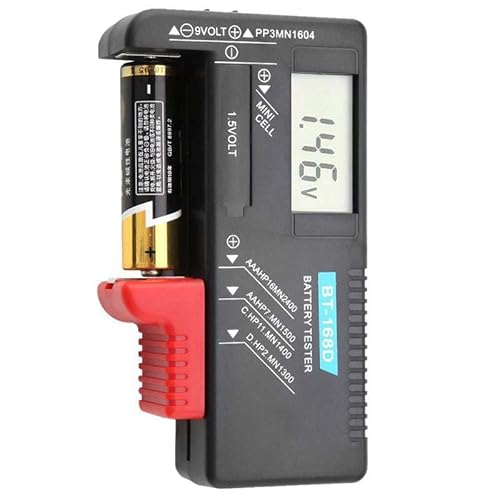
budget batteries versus premium options what you need to know
In the modern age, batteries are an essential part of our daily lives, powering everything from remote controls to electric vehicles. With a plethora of choices available, consumers often find themselves deciding between budget batteries and premium options. Understanding the differences between these two categories can significantly impact performance, longevity, and ultimately, value for money.
The Basics of Battery Types
There are various types of batteries available, including alkaline, lithium-ion, and rechargeable variants. Budget batteries are typically mass-produced and sold at lower prices, while premium batteries often promise superior performance, longevity, and additional features. The key difference lies in the materials used, the manufacturing process, and the overall reliability. When considering your options, it is essential to understand what each type can offer.
Performance and Lifespan
Premium batteries often outperform budget options when it comes to energy output and lifespan. For instance, a high-quality alkaline battery may provide a consistent voltage and perform well in high-drain devices, whereas a budget alkaline battery might struggle or leak over time. In terms of lifespan, premium batteries are designed to last longer, meaning fewer replacements and less waste. If you regularly use devices that consume a lot of power, investing in premium batteries can save you both time and money in the long run.
People Also Look For:
- POWEROWL AA AAA C D Battery Charger, Universal Battery Charger for Ni-MH Rechargeable Batteries (USB Fast Charging, Input DC 5V 2A...
- Duracell EasyTab/Activair Type 312 Hearing Aid Batteries Zinc Air P312 PR41 ZL3 Pack of 60
- Delyeepow 9V Rechargeable Battery USB Rechargeable 9V Lithium Batteries, 9V Battery for Smoke Alarm, Multimeter, Microphone, 650mA...
- Flosfjylo 12 Pcs Clear Plastic Cell Battery Storage Case Holder Box, Battery Case Hard Plastic Batteries Storage Boxes, for AA/AAA...
- 5PCS 27A 12V Alkaline Batteries V27A LR27A MN27 L828 A27 12V Battery Pack of 5
Price Considerations
While budget batteries are appealing due to their lower upfront costs, their long-term value may not be as favourable. A pack of budget batteries might seem like a bargain, but if they need to be replaced frequently, the cumulative cost can surpass that of a premium option. It is wise to calculate the cost per use and estimate how often you will need to replace them. For example, if a premium battery lasts three times longer than its budget counterpart, the investment can be justified.
Environmental Impact
Another vital aspect to consider is the environmental impact. Premium batteries often employ better materials and manufacturing processes, making them more eco-friendly. Many premium brands offer rechargeable options, which significantly reduce waste. Since budget batteries tend to be single-use and less reliable, they may contribute to more landfill waste over time. By choosing premium or rechargeable options, you can minimise your environmental footprint.
Brand Reliability and Warranty
Brand reputation can often signal the quality of a battery. Established premium brands usually conduct extensive testing and quality control, ensuring that their products meet high standards. They often provide warranties or guarantees, giving consumers peace of mind. On the other hand, budget batteries may not have robust customer support or warranty options. Before making a purchase, consider researching brands and reading reviews from other consumers.
Specific Use Cases
The intended use of the battery is crucial in your decision-making process. For low-drain devices like remote controls or clocks, budget batteries might suffice. However, for high-drain devices such as digital cameras or gaming controllers, investing in premium batteries is advisable. It is necessary to match your battery choice with its intended application to ensure optimal performance.
Conclusion
Ultimately, the choice between budget and premium batteries comes down to your specific needs and usage patterns. Evaluating performance, lifespan, price, environmental impact, and brand reliability will enable you to make an informed decision that aligns with your requirements.