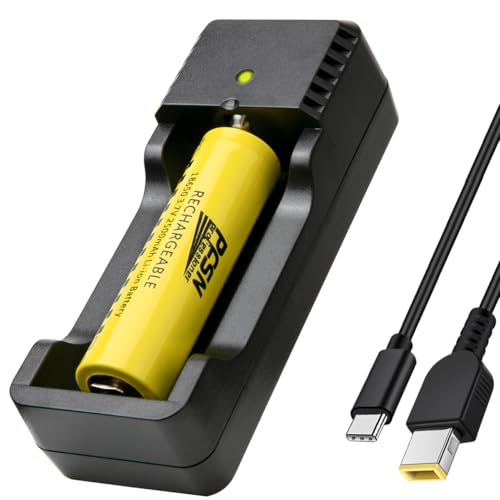
comparing lithium ion versus alkaline batteries for performance
In a world increasingly reliant on portable power, understanding the differences between battery types is essential. Lithium ion and alkaline batteries are two of the most commonly used batteries today, each with unique characteristics that make them suited to different applications. As we approach 2026, the demand for efficient and reliable power sources continues to rise, leading to a deeper exploration of these two battery types.
Energy Density and Longevity
One of the most significant performance differences between lithium ion and alkaline batteries is energy density. Lithium ion batteries boast a higher energy density, meaning they can store more energy in a smaller volume. This characteristic makes them ideal for gadgets such as smartphones, laptops, and electric vehicles, where space is at a premium. For instance, a typical lithium ion battery might offer around 150-200 watt-hours per kilogram, while alkaline batteries provide approximately 100 watt-hours per kilogram.
Longevity is another crucial factor. Lithium ion batteries have a lifespan of approximately 2,000 charge cycles, significantly surpassing that of alkaline batteries, which typically last for a single use. This extended life makes lithium ion batteries not only more economical in the long run but also more environmentally friendly, as fewer batteries end up in landfills.
People Also Look For:
- Rayovac Extra Advanced Hearing Aid Batteries, Size 13, Orange Tab, PR48, Pack of 60 - Free Frustration Packaging
- Bosch C80-Li: 15A 6V/12V Next-Gen Battery Charger – Unique 20A Fast-Mode & Smart Maintenance, Trickle Functionality & Advan...
- Energizer Alkaline Power - AAA Batteries (16 Pack) - Triple A Battery 1.5V - Up To 50% Longer Lasting - For Everyday Devices - 100...
- HYCHIKA Laser Level, Laser Levels Self Leveling with Double Laser Module, Laser Spirit Level with 2 Lines Horizontal/Vertical, Fle...
- DSK Eveready AA Batteries | Long Lasting Power for Remote Controls, Toys, Clocks, Torches & Household Devices | Pack of 20
Self-Discharge Rates
The self-discharge rate refers to how quickly a battery loses its charge when not in use. Alkaline batteries tend to have a higher self-discharge rate compared to lithium ion batteries. An alkaline battery may lose about 10% of its charge within a year, while lithium ion batteries can retain around 80% of their charge over several months. This characteristic makes lithium ion batteries more reliable for devices that are used infrequently, such as emergency flashlights or backup power supplies.
Cost and Availability
When it comes to cost, alkaline batteries are generally more affordable upfront and commonly available in most retail outlets. However, considering the longevity and rechargeability of lithium ion batteries, the overall cost of ownership may be lower for devices that see frequent use. In 2026, the price of lithium ion batteries continues to decline, making them more accessible to the average consumer. Additionally, with the ongoing improvements in battery technology, the market is expected to see a further reduction in prices.
Environmental Impact
Environmental considerations are increasingly influencing consumer choices. Alkaline batteries are often made from materials that can be harmful to the environment if not disposed of properly. In contrast, while lithium ion batteries can also pose environmental challenges, many manufacturers are now focused on recycling technologies to mitigate these impacts. Lithium ion batteries, when recycled, can recover up to 95% of their materials, contributing to more sustainable practices.
Charging Time and Convenience
Charging time is another factor to consider in battery performance. Lithium ion batteries typically charge much faster than alkaline batteries, making them a convenient option for users with busy lifestyles. Many lithium ion batteries can be fully charged in just a couple of hours. In contrast, alkaline batteries require replacement, which may lead to inconvenience and interruptions in usage. This quick recharge capability is particularly beneficial for electronics that require frequent use.
Applications and Suitability
In summary, the choice between lithium ion and alkaline batteries often comes down to the specific application. For high-drain devices such as digital cameras or power tools, lithium ion batteries are the clear winner due to their high energy density and longevity. On the other hand, for low-drain devices like remote controls or wall clocks, alkaline batteries can still be a suitable and cost-effective option. Understanding the specific requirements of your devices is key to making an informed choice.